Under FAA JAA IKO rulings, it is mandated that if and when an emergency is declared by an airborne plane, ATC immediately diverts all incoming traffic and gives priority to the emergency situation. Most, if not all, of the events we have described as emergency are official emergencies. However, sometimes they are incorrectly reported as emergencies by our sources, have been downgraded from official emergency status, or are believed to be emergencies by passengers in fear for their lives.
What: Air Canada Airbus A320-200 en route from Calgary to Toronto Where: Calgary When: Oct 7 2010 Who: 118 aboard (also reported as 154) Why: After takeoff, the flight sustained a hydraulic systems failure. The pilot circled to burn off fuel, then landed about an hour later with no further problems. The plane had to be towed to the gate.
What: Singapore Airlines Airbus A340-500 en route from Singapore to Newark,NJ Where: Singapore When: Oct 4 2010 Who: 81 passengers Why: On taking off from Singapore, the plane lost a wheel.
The plane’s sensors indicated the loss. The flight, however, continued to Newark and made a successful landing.
What: Air India Airbus A310-300 en route from Kozhikode India to Riyadh Saudi Arabia Where: Nedumbasseri International Airport at Kochi When: Oct 2nd 2010 Who: 197 passengers (11 in J, 180 in economy, and six infants) and 12 crew Why: The flight originated in Nedumbasseri at 4.30am and went from there to Kozhikode. Forty-five minutes after leaving Kozhikode, the crew reported fumes in the cabin. The two Indian pilots diverted to Kochi, made a safe landing and passengers were evacuated. Emergency vehicles, including fire trucks, were on standby as the flight landed. The plane was isolated for maintenance, which found a problem in engine 2 on the right.
Passengers reported a high degree of alarm from the rapid descent, the cabin pressure, and the fire alarm. They were provided an alternative flight.
What: Atlantic Southeast/Delta Airlines Canadair CRJ-900 en route from Atlanta to White Plains, New York Where: New York When: Sept 25 2010 8:20 pm Who: 60 passengers 4 crew
The fifth + landing gear failure in the US in five years has launched an engineering investigation of Bombardier’s CRJ landing gear. The objective of the investigation is to determine if there is a connection between all of the gear failures.
SkyWest CRJ200, operating under a code-share with AirTran as Flight 3074 from Omaha, Neb., made an emergency landing with one gear retracted at Milwaukee General Mitchell International Airport (Sept 28 2010)
Atlantic Southeast Airlines Bombardier CRJ900 at JFK landing gear up (September 25 2010)
SkyWest Airlines Flight 6467 CRJ200 couldn’t extend its nose landing gear on approach to Ontario (Calif.) International Airport. (May 23 2010)
Atlantic Southeast jet–a 50-seat CRJ200–couldn’t fully extend its left main landing gear, but again, managed to land safely at Atlanta Hartsfield International Airport. (June 11 2009)
Air Wisconsin CRJ200 on a flight from Norfolk, Virginia landed at Philadelphia International Airport with its left main gear retracted. (Dec 14 2008) The prelim. NTSB indicates that mechanics attached the upper attachment bolt for the left main landing gear uplock assembly to the airplane structure only, rather than both the structure and the uplock mechanism as called for in the design
CRJ700 operated by Mesa Airlines received an unsafe gear indication for the left main gear as it approached for landing in South Bend, Ind. The crew declared an emergency and returned to land with the left main gear still retracted on Runway 28 at O’Hare. (Dec 15 2008) The investigation found that improper positioning of the inboard main landing gear door during rigging caused premature wear of parts that eventually restricted the movement of the door during its extension.
South Africa Express CRJ200 gear up landing on flight from Cape Town to Windhoek, Namibia( April 17 2010).
Saturday the landing gear of a CRJ failed, resulting in a dramatic landing at JFK. The dragging wing created a “shower of sparks” during the landing.
What: Delta Airlines McDonnell Douglas MD-88 en route from Atlanta,GA to Baltimore Where: Atlanta When: Sep 24th 2010 Who: 112 Why: After takeoff, when the plane’s nose gear could not be retracted, the crew returned to Atlanta and made a safe landing. A replacement jet was provided for the passengers.
What: Malaysian Airlines/Southern Air Transport Boeing 747-200 freighter en route from Frankfurt Germany to Tashkent Uzbekistan Where: Frankfurt When: Sep 24 2010 Why: On takeoff, the right engine (3) suffered engine failure. The pilot aborted the takeoff. Engine debris caused some damage to the plane.
What: Delta Airlines Boeing 767-400 en route from New York to Athens Where: Manchester England When: Midnight (E.T.) Who: 231 passengers and 12 crew Why: While en route over the Irish sea, smoke was detected in the cockpit. The crew diverted to Manchester where they made a safe landing.
What: China Eastern Airlines Airbus A300-600 en route from Singapore to Shanghai Where: Singapore, China When: Sep 17 2010 Who: 229 passengers Why: Just after taking off from Singapore, the airbusleft engine had an engine surge, made three banging noises, shot flames and sent the odor of burning into the cabin. A passenger reported seeing the left wing afire.
The flight crew shut down the affected engine, and returned to Singapore where they made a safe landing. Passengers were booked on alternative flights.
What: US C-17 en route from Skardu to Peshawar Where: Benazir International Airport When: Sept 17 Who: 176 passengers Why: A US plane airlifting flood refugees from the northern city of Skardu was struck by an unidentified technical problem, and made an emergency landing. There were no injuries
What: medical helicopter Where: Nogales When: Sept 14, 2010 5 pm Who: Pilot and 2 crew Why: After a bird strike, the medical helicopter had to make an emergency landing. The bird involved was a black vulture; and it came right through the windshield and struck the pilot in the chest.
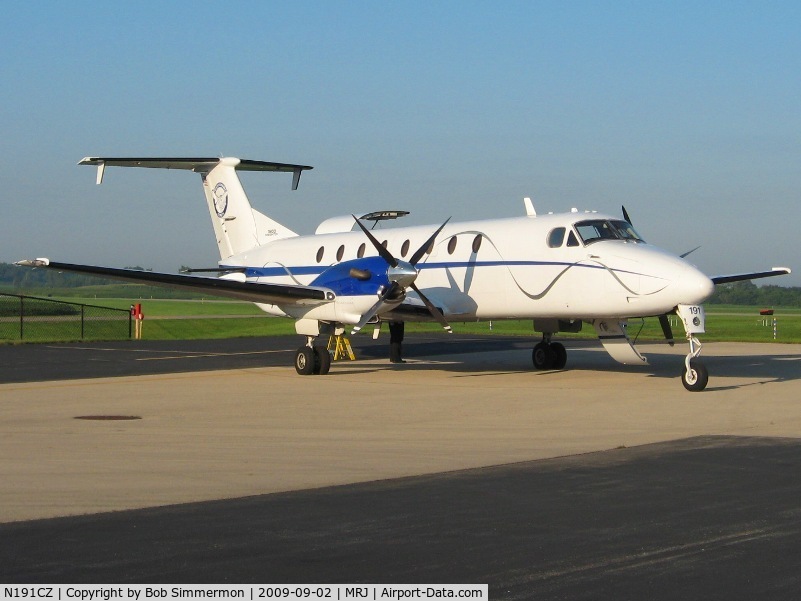
What: Freight Runners Express Beech 1900C en route from Milwaukee,WI to Dayton,OH Where: Milwaukee When: Sep 16th 2010 Who: pilot Why: The approach to Dayton was aborted when the pilot received an unsafe gear message. The pilot returned to Milwaukee, and entered a holding pattern while pilot and ACC attempted to solve technical issues.
On landing in Milwaukee, the nose gear collapsed. The plane was damaged, but the pilot was unharmed.
What: Delta/Comair Canadair CRJ-100 en route from Columbus, OH to Minneapolis, MN Where: Dayton When: Sep 16 2010 Who: 50 aboard Why: After takeoff, the plane alerted that it developed engine problems. Pilots diverted the flight to Dayton, and made a safe landing.
A few hours later, passengers were provided an alternative flight to Minneapolis.
What: American Airlines Boeing 767-300 flight AA199 en route from Milan to New York Where: Shannon When: Sept 13 2010 Who: 167 passengers Why: While the plane was en route, a passenger was charging his cell phone, which started overheating, which set off the fire alarm in the lavatory. The flight diverted to Shannon, where it made a safe landing.
Fire crews at Shannon were on standby during the emergency landing. Airport aircraft maintenance company engineers examined the plane and discovered the melted phone.
What: Iberia/Air Nostrum Canadair CRJ-200 en route from Madrid, to Valencia Where: Madrid When: Sep 13th 2010 Why: The plane had successfully taken off from Madrid, then received an alert and returned to Madrid where the crew made a safe landing.
Systems were repaired and the flight resumed an hour and a half later.
What: PIA Pakistan International Airlines Boeing 747-300 en route from Karachi to Lahore Where: Karachi When: Sep 10th 2010 Who: 480 passengers Why: While en route, the plane’s engine ingested a bird.
The pilot returned the plane to Karachi where it made a safe landing. Passengers were provided an alternative flight at 8 pm
What: West Wind Where: Palmerola US military base When: September 06 2010 Who: Honduran President Porfirio Lobo Why: The plane called “West Wind” made an unplanned landing at the US military base in Palmerola (Soto Cano air base in Comayagua) when it developed technical problems at 8000 feet. An indicator light that flashed on board the West Wind jet that instigated the decision to land.
Lobo was flying to New Orleans to sign scholarship agreements to support the 50 best students from low-income families who graduate from high school will be sent on scholarship to good U.S. universities.
The plane is being checked out and the President may continue on a different plane.
What: Alrosa Mirny Air Tupolev TU-154M en route from Yakutia/Polyarny to Moscow Where: Komi republic, at the Izhma airport When: Sep 7th 2010 Who: 72 passengers, three children, nine crew members Why: Four hours into the flight, the plane suffered an on board power system failure. The plane suffered a complete failure of electrical power resulting in loss of navigation devices, fuel pumps and leaving the pilots with no knowledge of available fuel.
The pilot had to make an emergency immediate landing in the Komi republic, at the Izhma airport. The Izhma airport is normally used for helicopters in military operations, but it is a former 1200 meter airport runway. The plane overran the runway into a wooded area and was substantially damaged.
No passengers were hurt. They disembarked via slide in the forested area. The slide has seen better days. It is either third-hand, or has been used frequently.
The Komi Republic is arranging for transportation of passengers from Izhma to Ukhta (which is the nearest airport) by helicopter. On arrival in Ukhta, passengers will board a replacement flight and continue to Moscow
It appears that the carrier will leave the damaged plane where it sits, as it can not take off.
George’s Point of View
What an extraordinary feat to that plane safely. Imagine having no knowledge of how much fuel was left, or even if it would be accessible, with nowhere to land but on a helicopter landing strip, without power, with no way to brake. A harrowing ride, and some brilliant snap decisions on the part of the crew.
What: Turkish Airlines Airbus A320 en route from Ataturk to Antalya Where: Ataturk International Airport When: Sept 5 2010 15:25 p.m. local time Why: After a bird strike, the plane returned to the airport. Damage to the plane is unknown; but passengers were rerouted on an alternative flight.
What: Buddha Air Aerospatiale ATR-42-300 en route from Bhairahawa to Kathmandu Where: Gautam Buddha Airport in Bhairahawa When: Sept 4 2010 Who: Captain Bhawana Pant, copilot S Rawal, two flight attendants and 4 passengers Why: The crew asked permission for an emergency landing after receiving an on board false indication. (The autopilot auto-initiated, and presented spontaneous error code.)
Nine minutes after taking off, the Buddah Air flight returned to Bhairahawa after the flight developed technical problems. The cause of the problem is under investigation.
What: Qantas Boeing 747-400 en route from San Francisco to Sydney Where: San Francisco When: Aug 31 2010, 12:45 a.m. Who: 212 passengers, 19 crew Why: After takeoff, the right engine failed (exploded), and disrupted the outer engine cowling. Observers reported “a thud, shower of sparks, and engine fire.”
On board, the pilot announced that the captain announced that an engine blew up. The crew shut down the afflicted engine, dumped fuel over the Pacific and returned to San Francisco where it made a safe landing. Inside while landing, passengers cheered.
Passengers were provided hotel accommodations. There were no injuries. Experts have noted the rarity of this type of engine explosion, and also mention how lucky passengers are it occurred facing “out” – although the engine is built to contain exploding particles.
What: Frontier Airlines Airbus A319-100 en route from Denver,CO to Phoenix,AZ Where: Denver When: Aug 29th 2010 Who: 62 passengers Why: While en route, the plane got an alert that the left engine was low on oil. The pilots shut down the engine and returned to Denver where they made a safe landing.
Maintenance handled the problem, and the flight took off again an hour late.
What: IndiGo Airbus A320-200 en route from Bhubaneshwar to Delhi Where: Biju Patnaik Airport, Bhubaneshwar When: Aug 28th 2010 Who: 140 passengers and 6 crew Why: On takeoff, the Airbus suffered a bird strike. Ground crew witnessed a part or parts falling. The crew decided to return to Bhubaneshwar where they made a safe landing.
A replacement jet is being flown in to complete the Hyderabad-Bhubaneswar-New Delhi flight.
What: DHL-chartered/Polish transport firm Exin Co twin-engine Antonov AN-26 turboprop cargo plane en route from Tallinn to Helsinki When: August 25, 2010 Who: 4 crew members Why: The landing gear retracted before the plane was airborne and made an emergency landing on a frozen lake—apparently not the first time this has happened.
An Estonian politician asked the Estonian Civil Aviation Authority “how it is possible that the same company with a same type of plane could fall victim to two almost identical accidents at the same airport within a short time.”
What: Iran Air Airbus A300-600 en route from Tehran to Stockholm Where: Istanbul When: Aug 26th 2010 Who: 236 aboard Why: While en route, the plane developed engine trouble. The crew had to shut down an engine, and divert to Istanbul. The flight made a safe landing.
No indication is made of passenger accommodations or if another plane was flown in.
What: Mahan Air Airbus A300-600 en route from Tehran to Dusseldorf Where: Ataturk Airport When: Aug 26th 2010 Who: 209 passengers and 18 crew Why: When the left engine caught on fire, the pilot diverted to Ataturk Airport where they made a safe landing. There’s no indication of accommodations for passengers, or if a replacement flight has been sent.