
The Orthodox Jewish passenger said he was experiencing constipation and found himself exposed when the pilot forcibly removed him from the bathroom.

Similar Posts
FAA Takes Aim at Icing with New Ice Protection Proposal
For Immediate Release
November 23, 2009
Contact: Les Dorr, Jr. or Alison Duquette
Phone: (202) 267-3883 WASHINGTON – The Federal Aviation Administration is proposing a rule requiring scheduled airlines to either retrofit their existing fleet with ice-detection equipment or make sure the ice protection system activates at the proper time.
 For aircraft with an ice-detection system, the FAA proposes that the system alert the crew each time they should activate the ice protection system. The system would either turn on automatically or pilots would manually activate it.
For aircraft without ice-detection equipment, the crew would activate the protection system based on cues listed in their airplane’s flight manual during climb and descent, and at the first sign of icing when at cruising altitude.
“This is the latest action in our aggressive 15-year effort to address the safety of flight in icing conditions,” said FAA Administrator Randy Babbitt. “We want to make sure all classes of aircraft in scheduled service remain safe when they encounter icing.”
The FAA estimates the rule would cost operators about $5.5 million to implement. Operators would have two years after the final rule is effective to make these changes.
The proposed rule would apply only to in-service aircraft with a takeoff weight less than 60,000 pounds, because most larger airplanes already have equipment that meets the requirements. In addition, studies show that smaller planes are more susceptible to problems caused by undetected icing or late activation of the ice protection system. The rule technically affects 1,866 airplanes, but all turbojet airliners and many turboprops covered under the rule already have equipment that satisfies the requirements, and the FAA believes others will be retired before the projected compliance date in 2012.
In August 2009, the FAA changed its certification standards for new transport category airplane designs to require either the automatic activation of ice protection systems or a method to tell pilots when they should be activated.
Since 1994, the FAA has issued more than 100 airworthiness directives to address icing safety issues on more than 50 specific aircraft types. These orders cover safety issues ranging from crew operating procedures in the icing environment to direct design changes. We also have changed airplane flight manuals and other operating documents to address icing safety, and issued bulletins and alerts to operators emphasizing icing safety issues.
The latest proposed rule on activation of ice protection systems is at: http://edocket.access.gpo.gov/2009/E9-28036.htm
‘Legacy on Ice’ honors victims of DCA plane crash
One month after 67 lives were lost in a midair collision over the Potomac River, figure skating legends and the D.C. community came together at Capital One Arena for a powerful tribute: “Legacy on Ice.”
Uttarkashi Chopper Crash: AAIB Report Says Rotor Hit Overhead Cable During Emergency Landing Attempt
An AAIB report revealed a BELL 407 helicopter crash in Uttarkashi, killing six, was caused by the main rotor hitting a fiber optic cable during an emergency landing attempt. International agencies are assisting the investigation.
NTSB report finds pilot noted past mechanical issues prior to deadly plane crash in Wilson
The National Transportation Safety Board (NTSB) released its report on a plane crash earlier this month in Wilson, Kansas.
Taiwan’s failure to warn plane away from airforce base sparks security concerns
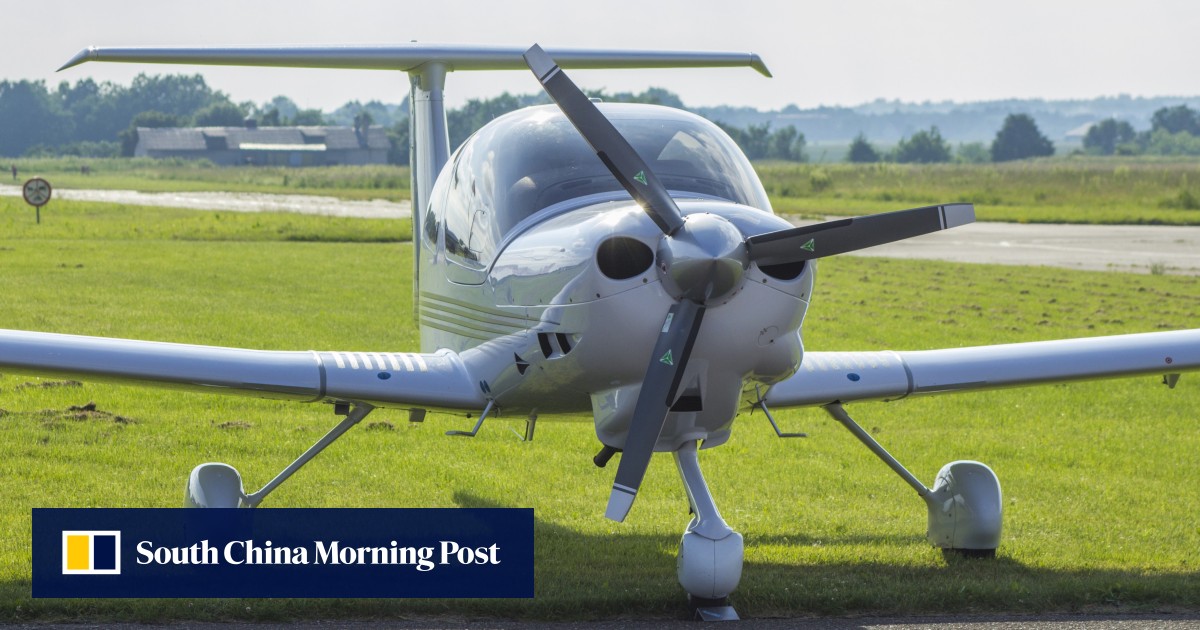
Many question island’s wartime readiness after pilot nearly lands single-engine aircraft at sensitive military installation by mistake.


