Cause

  • | | | | | | |

    Germany: Southern Air Transport Engine Blows


    Click to view full size photo at Airliners.net
    Contact photographer Markus Altmann

    What: Malaysian Airlines/Southern Air Transport Boeing 747-200 freighter en route from Frankfurt Germany to Tashkent Uzbekistan
    Where: Frankfurt
    When: Sep 24 2010
    Why: On takeoff, the right engine (3) suffered engine failure. The pilot aborted the takeoff. Engine debris caused some damage to the plane.

  • | | | | | | |

    Dubai Investigation Continuing. Cargo Under Scrutiny


    Click to view full size photo at Airliners.net
    Contact photographer Timo Jäger

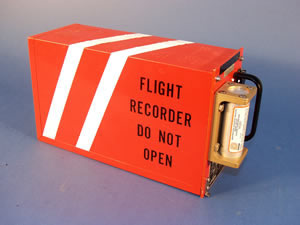
    General Civil Aviation Authority released a report that the black boxes indicated smoke or fire on the main deck and “lower aft cargo compartment” towards the back of the doomed aircraft. The GCAA says investigators are still uncertain of the causes of the crash. Capt Doug Lampe and First Officer Matthew Bell, reported smoke in the cockpit 28 minutes after taking off. UPS Flight 6 was unable to change radio frequency and could not communicate with ATC. During their descent, pilots had difficulty seeing the flight instruments because of thick smoke.

    The memorial service for captain Doug Lampe will be held at two o’clock on Monday at Southeast Christian Church, Louisville.

    Funeral service for Matthew Carl Bell at 3 p.m. on Sunday, September 26, 2010, at Immanuel Lutheran Church, 3214 Golf Road, Eau Claire, WI.

    What: United Parcel Service Boeing 747-400 cargo plane en route from Dubai to Cologne
    Where: Dubai inside an Emirati air base between Dubai’s Emirates Highway and nearby Al-Ain Road 10 miles southeast of Dubai’s international airport
    When: September 3 2010, noon New York time
    Who: Two pilots
    Why: Read More

  • | | | | | | |

    Delta Emergency Landing in Manchester


    Click to view full size photo at Airliners.net
    Contact photographer

    What: Delta Airlines Boeing 767-400 en route from New York to Athens
    Where: Manchester England
    When: Midnight (E.T.)
    Who: 231 passengers and 12 crew
    Why: While en route over the Irish sea, smoke was detected in the cockpit. The crew diverted to Manchester where they made a safe landing.

    Passengers were provided hotel rooms. They would have been able to leave earlier but for an ATC strike in France.http://avstop.com/news_sept_2010/air_traffic_control_strike_affecting_traffic_in_and_out_of_france.htm The passengers were scheduled to fly out Friday morning at 8:00 a.m.

  • | | | | | |

    MAK Finds Aviastar Inadequate

    MAK, the Interstate Aviation Committee investigated the Mar 22nd crash of the Aviastar-TU Tupolev TU-204-100 ferry flight en route from Hurghada Egypt to Moscow, and banned it from operating as a passenger airline. On the day of the crash, after the flight control computer failed, the Tu-204 flew 700 feet left of the runway when it was landing. The pilot was found to have “poor training” on simulators that did not correspond with the plane. According to Flight Global, “the crew failed to execute a go-around.”

  • | | |

    Delta Emergency Landing in Cape Girardeau

    What: Delta Airlines McDonnell Douglas MD-88 en route from Atlanta to St. Louis
    Where: Cape Girardeau Regional Airport
    When: Sept 19 2010
    Who: 132 passengers 5 crew
    Why: While en route, smoke was detected in the cabin.

    The plane made a safe landing in Cape Girardeau. The evacuated passengers were taken by bus to St. Louis

  • | | |

    Stowaway Threatens Safety Rating


    Click to view full size photo at Airliners.net
    Contact photographer Ken Iwelumo – Global Aviation Images

    What: Arik Air Airbus A330-200 en route from Johannesburg South Africa to Lagos Nigeria
    Where: Lagos
    When: Sep 20th 2010
    Who: 1 stowaway
    Why: The body of a young Nigerian man was found in the wheelwell. How the stowaway accessed the airport and the aircraft is a mystery. There is inadequate oxygen in the compartment to survive. Due to the quick turnaround there, the body was not discovered in Johannesburg.

    The carrier fears the incident will cause the airline to lose its recent Category 1 safety status US rating.

  • | | | | |

    Budapest: Bird Strike


    Click to view full size photo at Airliners.net
    Contact photographer Kristóf Csemniczky

    What: Malev Hungarian Airlines Boeing 737-600 en route from Budapest to Istanbul
    Where: Budapest
    When: Sept 21 2010
    Who: 100 passengers
    Why: After the jet suffered a bird strike, the pilot rejected takeoff. The plane was examined for damages, resulting in a delay, but was subsequently judged undamaged and allowed to depart. The plane made a safe landing in Istanbul, several hours late.

  • | | | | | |

    Lebanon: Bird Strike


    Click to view full size photo at Airliners.net
    Contact photographer Thomas Posch

    What: UM Ukrainian Mediterranean Airlines Douglas DC-9-50 en route from Beirut (Lebanon) to Kiev
    Where: Beirut
    When: Sep 21 2010
    Who: 91 passengers
    Why: After takeoff, an engine ingested a bird, resulting in engine problems. There were reports of an engine surge, explosion and fire which are being denied by the airport.

    The crew returned the plane to Beirut where they made a safe landing. Passengers report hearing an explosion and seeing flame. On landing, passengers disembarked. No injuries are reported, nor whether slides were used or a replacement jet provided.

  • | | | | | |

    China Eastern Airlines Airbus Engine Catches Fire


    Click to view full size photo at Airliners.net
    Contact photographer Weimeng

    What: China Eastern Airlines Airbus A300-600 en route from Singapore to Shanghai
    Where: Singapore, China
    When: Sep 17 2010
    Who: 229 passengers
    Why: Just after taking off from Singapore, the airbusleft engine had an engine surge, made three banging noises, shot flames and sent the odor of burning into the cabin. A passenger reported seeing the left wing afire.

    The flight crew shut down the affected engine, and returned to Singapore where they made a safe landing. Passengers were booked on alternative flights.

  • | | | |

    Norway: Widerøes Hard Landing


    Click to view full size photo at Airliners.net
    Contact photographer Zaninger Jonathan

    What: Widerøes Flyveselskap de Havilland Canada DHC-8-103B en route from Bodø Airport to Sandnessjøen-Stokka Airport
    Where: Sandnessjøen Norway
    When: Sept 15 2010 6:00
    Who: 3 crew, 4 passengers, no fatalities
    Why: The pilot did not inform ATC of any problems before landing. However, the plane had a hard landing due to a wind gust, a drizzle and moist conditions. The impact apparently damaged the plane’s undercarriage, and the plane skidded on its belly. The runway was foamed by Airport Fire and Rescue Services to prevent fire. There were no injuries reported.

    The plane apparently is designed to perform exactly as it did under these circumstances. The undercarriage is apparently supposed to collapse in a hard landing.

    Accident Investigation Board has sent three investigators. The airport is now closed.

  • | |

    Medical Helicopter Bird Strike

    What: medical helicopter
    Where: Nogales
    When: Sept 14, 2010 5 pm
    Who: Pilot and 2 crew
    Why: After a bird strike, the medical helicopter had to make an emergency landing. The bird involved was a black vulture; and it came right through the windshield and struck the pilot in the chest.

    There were no injuries reported.

  • | | | |

    US Airways Cockpit Smoke over Pacific


    Click to view full size photo at Airliners.net
    Contact photographer Peter Van Dyke

    What: US Airways Boeing 757-200 en route from Phoenix,AZ to Kahului,HI
    Where: en route
    When: Sep 17 2010
    Who: 175 passengers and 6 crew
    Why: 1200 miles from Hawaii, smoke was observed in the cockpit. The crew diverted to San Francisco where they landed safely.

    A replacement jet was provided.

  • | | | | |

    Centurion Cargo Flight Emergency Landing


    Click to view full size photo at Airliners.net
    Contact photographer Rafael Nunes

    What: Centurion Air Cargo McDonnell Douglas MD-11 en route from Miami,FL to Manaus Brazil
    Where: Maiquetía Venezuela
    When: Sep 17 2010 9:09 am
    Who: 5 crew
    Why: While en route, hydraulic system (#3) failed. The crew diverted to “Simon Bolivar” Maiquetía International Airport where Operations Track and Field, Fire Aviation, Medical and Airport Security were deployed. The “Air Emergency Plan” (SAP) was activated and the plain made a safe landing with no injuries.

    Maiquetía is near Caracas in the Vargas state of Venezuela.

  • | |

    Dubai: UPS Boeing Black Boxes Sent to US


    The NTSB has received the data and voice recorders from the UPS Boeing 747-400 that crashed in Dubai on Sept 3 2010.

    Two crew members died in the cargo plane crash after an on board fire that made viewing flight gauges impossible.

  • | | | | |

    Delta Diverts to Dayton

    What: Delta/Comair Canadair CRJ-100 en route from Columbus, OH to Minneapolis, MN
    Where: Dayton
    When: Sep 16 2010
    Who: 50 aboard
    Why: After takeoff, the plane alerted that it developed engine problems. Pilots diverted the flight to Dayton, and made a safe landing.

    A few hours later, passengers were provided an alternative flight to Minneapolis.

  • | | | |

    FAA: Testimony – Statement of Peggy Gilligan

    September 16, 2010
    Statement of Peggy Gilligan, Associate Administrator for Aviation Safety Before the House of Representatives, Committee on Transportation and Infrastructure, Subcommittee on Aviation on Pilot Fatigue

    Chairman Costello, Congressman Petri, Members of the Subcommittee:

    Thank you for inviting me to appear before you this morning to discuss the Federal Aviation Administration’s (FAA) efforts to mitigate the impacts of pilot fatigue to enhance aviation safety. Updating FAA’s regulatory requirements on pilot fatigue has been a high priority for Secretary LaHood and Administrator Babbitt. As you know, Administrator Babbitt was formerly a commercial pilot, so his interest in and insights about pilot fatigue have been longstanding, and were helpful in making rulemaking on this matter an Administration priority. Their assistance and guidance on this matter have been invaluable. I am pleased that their focus has enabled the FAA to publish a Notice of Proposed Rulemaking (NPRM) on September 14, 2010, that proposes changes to the current flight duty and rest regulations. The NPRM represents a comprehensive proposal that is the result of extensive outreach to the aviation industry, labor and the scientific community. Unlike the existing requirements, the proposal would establish a single, scientifically-based regulatory approach for all Part 121 operators, including domestic and international passenger and cargo operations, as well as supplemental carriers.

    While the publication of this NPRM is a huge step forward, I want to stress that it is the latest step in a long history of FAA efforts to mitigate fatigue. We held symposia on fatigue and worked with aviation industry and the scientific community to gather data to meet the scheduling demands of the industry (including ultra long-range flights), without compromising safety. As the science of fatigue matured, we worked to educate the industry to mitigate risks as they were identified. The new proposal reflects our drive to reach consensus across different facets of the aviation industry.

    In the past, I have said something that is worth repeating now: regardless of what regulatory framework is in place, mitigating the effects of fatigue is a shared responsibility. The FAA has the responsibility to put the framework in place. The air carrier has the responsibility to schedule its flight crews responsibly and in accordance with that framework. The pilot has the ultimate responsibility to use the hours set aside for rest to actually rest, to report for duty in a fit condition, and to notify the airline when he or she is too fatigued or otherwise not fit for duty. Nothing about the latest proposal changes those basic responsibilities.

    In the aftermath of the Colgan Air Flight 3407 accident in February 2009, the FAA placed great emphasis on all safety factors that either were, or could have been, a contributing cause to the accident. Secretary LaHood and Administrator Babbitt issued an Airline Safety Call to Action for the foremost aviation safety experts to discuss the best ways to make an already safe industry even safer. Fatigue was clearly a factor of some concern, given that one member of the Colgan flight crew commuted from the West Coast prior to reporting for duty and the evidence suggested that she may not have had sufficient rest.

    In addition to the Call to Action, Administrator Babbitt convened an Aviation Rulemaking Committee (ARC) comprised of representatives from airline management and pilot labor unions to review fatigue-related issues and to make specific scientifically-based recommendations that could be the basis of rulemaking. The ARC delivered its report and recommendations in September 2009. The report and recommendations reflected consensus on many issues, but there were a handful of issues where the ARC did not reach consensus. In addition, the ARC was not charged with performing any type of economic analysis, which the FAA must provide in any rulemaking initiative.

    The NPRM utilizes accepted assumptions as to what causes fatigue and creates a framework that addresses those risks. For example, it is generally accepted that higher levels of activity cause more fatigue and that most people need eight hours of sleep in a 24 hour period in order to perform effectively and remain alert. It is also acknowledged that an average person needs in excess of nine hours of sleep in order to recover from accumulated sleep deprivation and the quality of the sleep an individual gets is usually affected by the time of day in which it occurs, with nighttime sleeping being more restorative.

    Using these assumptions as a basis, the NPRM focuses on the nature of the operation. During a duty period, how many take-offs and landings does the pilot fly? Do the operations involved cross time zones and, if so, how many? Are the operations during the day or at night? The proposal recognizes that basing hourly restrictions solely on the total number of hours of duty time or flight time does not have as much meaning as factoring in what kind of operations were being flown during that period. Different operations result in different fatigue levels and that reality must be recognized in any new regulatory framework.

    The NPRM would impose requirements for rest, flight time, and duty time. There is a proposed nine hour rest requirement prior to flying related duty. In addition, flight time restrictions include limits for every 28-day period, as well as annual limits. The flight time restrictions also reflect all operations flown for the carrier by the pilot, even if some of those flights are ferrying operations or other flights not flown under Part 121. Finally, both the flight time and duty time restrictions proposed would reflect differences in the types of operations flown as well as when they are flown, and require shorter duty periods for certain times of day and quantities of takeoffs and landings.

    The proposal would also gives carriers the option of integrating a Fatigue Risk Management System (FRMS) into their scheduling systems. FRMS is a carrier-specific method of evaluating how best to mitigate fatigue, based on active monitoring and evaluation by the carrier and flightcrew members. In this case, the carrier would model its schedules to determine where there may be risk from fatigue. The carrier would develop mitigation strategies to eliminate or mitigate that risk. The FAA will determine that the FRMS provides an equivalent level of protection as afforded by the rule and approve the carrier’s system. FRMS were strongly supported by both labor and management in the ARC, because it ensures that each schedule is analyzed and proper mitigation is implemented.

    This approach has the potential to provide a cooperative and flexible means of monitoring and mitigating fatigue during operations when the prescriptive approach is not optimal. We are seeking public comments about how best to realize that potential. An FRMS requires a carrier to develop numerous processes and structures within an operation. These measures lead to effective management and mitigation of fatigue on the part of both the carrier and its employees that might affect the operation.

    One area that I know is of great interest to this Committee is pilot commuting, which our NPRM discusses in the preamble. The ARC made no recommendation on commuting. However, the ARC did point out that pilots are required to report to work fit for duty; and that means rested. Although our proposal does not include specific restrictions on commuting, it does make some modifications to ensure that all pilots, including those who commute, are meeting the existing requirements to report fit for duty.

    As I noted at the beginning of this statement, pilot personal responsibility is critical to whatever fatigue rule is ultimately adopted, whether or not commuting restrictions are imposed. Pilots must commute responsibly, but this proposal broadens that responsibility to include the air carrier, who must be aware of how pilots are commuting to work and must make a determination that each pilot is fit for duty. It is unreasonable to assume that a pilot is resting while commuting, either locally or long distance, and our proposal requires air carriers to consider the commuting times pilots needs to reach their home base while still receiving the required opportunity for rest. It also calls on co-workers – other crew members, dispatchers, etc. – to determine that pilots they’re working with are fit for duty. We believe mandating this shared responsibility will address the risks posed by a pilot failing to identify that he or she is not sufficiently rested – and therefore not fit for duty.

    Finally, one of the most challenging issues we have had to resolve in order to move forward with a new fatigue regulatory proposal is that of the costs associated with a new rule compared with the benefits that are expected to accrue from a new requirement. All of us in government and industry associated with aviation are dedicated to enhancing aviation safety. This is what we work for day in and day out. At the same time, we seek to ensure that rules do not impose excessive, unjustified, or unnecessary costs on airlines, airline employees, and consumers. We are required to provide the public with information about the projected costs and benefits associated with any regulatory proposal. Reducing fatigue, through whatever means, may result in the carriers having to add more pilots to comply with new standards, thus adding costs. We believe, however, that carriers will optimize their crew schedules within any new regulatory requirements to continue to be as efficient as possible.

    While we prefer and seek out regulatory options that result in net benefits, there is no absolute requirement that monetary benefits of regulatory proposals outweigh monetary costs. But the benefits, both quantifiable and nonquantifiable, must justify the associated costs. While we have explicitly sought public comments about possible improvements in the proposed rule, we believe it meets that standard. It is important to understand that increasing airline safety creates a number of important social benefits, some of which are hard to quantify.

    Though producing this NPRM did take longer than we expected, we believe we have a solid starting point for a new and better way forward in this area. While this is not the last step in this process, I am extremely proud of the FAA team for this achievement. I would like to thank the many, many members of the Administration, the aviation and labor community, and the scientific community for their tireless efforts to assist Secretary LaHood and Administrator Babbitt in moving forward with the proposed fatigue NRPM. I would also like to acknowledge the support of Congress and the families of victims of the Colgan accident and other family groups in this area.

    There is work to be done in order to make the NPRM ultimately into a final rule, but I am confident that this comprehensive proposal is a step forward and I look forward to receiving public comments and to working with all interested parties, including this Committee, to finalize improved flight duty and rest standards that will enhance safety because that is our shared ultimate goal.

    Thank you for this opportunity to appear before you. I would be happy to answer any questions at this time.

  • | |

    Pilot Fatigue

    Statement of Peggy Gilligan, Associate Administrator for Aviation Safety
    Before the House of Representatives, Committee on Transportation and Infrastructure, Subcommittee on Aviation on Pilot Fatigue

    Chairman Costello, Congressman Petri, Members of the Subcommittee:

    Thank you for inviting me to appear before you this morning to discuss the Federal Aviation Administration’s (FAA) efforts to mitigate the impacts of pilot fatigue to enhance aviation safety. Updating FAA’s regulatory requirements on pilot fatigue has been a high priority for Secretary LaHood and Administrator Babbitt. As you know, Administrator Babbitt was formerly a commercial pilot, so his interest in and insights about pilot fatigue have been longstanding, and were helpful in making rulemaking on this matter an Administration priority. Their assistance and guidance on this matter have been invaluable. I am pleased that their focus has enabled the FAA to publish a Notice of Proposed Rulemaking (NPRM) on September 14, 2010, that proposes changes to the current flight duty and rest regulations. The NPRM represents a comprehensive proposal that is the result of extensive outreach to the aviation industry, labor and the scientific community. Unlike the existing requirements, the proposal would establish a single, scientifically-based regulatory approach for all Part 121 operators, including domestic and international passenger and cargo operations, as well as supplemental carriers.

    While the publication of this NPRM is a huge step forward, I want to stress that it is the latest step in a long history of FAA efforts to mitigate fatigue. We held symposia on fatigue and worked with aviation industry and the scientific community to gather data to meet the scheduling demands of the industry (including ultra long-range flights), without compromising safety. As the science of fatigue matured, we worked to educate the industry to mitigate risks as they were identified. The new proposal reflects our drive to reach consensus across different facets of the aviation industry.

    In the past, I have said something that is worth repeating now: regardless of what regulatory framework is in place, mitigating the effects of fatigue is a shared responsibility. The FAA has the responsibility to put the framework in place. The air carrier has the responsibility to schedule its flight crews responsibly and in accordance with that framework. The pilot has the ultimate responsibility to use the hours set aside for rest to actually rest, to report for duty in a fit condition, and to notify the airline when he or she is too fatigued or otherwise not fit for duty. Nothing about the latest proposal changes those basic responsibilities.

    In the aftermath of the Colgan Air Flight 3407 accident in February 2009, the FAA placed great emphasis on all safety factors that either were, or could have been, a contributing cause to the accident. Secretary LaHood and Administrator Babbitt issued an Airline Safety Call to Action for the foremost aviation safety experts to discuss the best ways to make an already safe industry even safer. Fatigue was clearly a factor of some concern, given that one member of the Colgan flight crew commuted from the West Coast prior to reporting for duty and the evidence suggested that she may not have had sufficient rest.

    In addition to the Call to Action, Administrator Babbitt convened an Aviation Rulemaking Committee (ARC) comprised of representatives from airline management and pilot labor unions to review fatigue-related issues and to make specific scientifically-based recommendations that could be the basis of rulemaking. The ARC delivered its report and recommendations in September 2009. The report and recommendations reflected consensus on many issues, but there were a handful of issues where the ARC did not reach consensus. In addition, the ARC was not charged with performing any type of economic analysis, which the FAA must provide in any rulemaking initiative.

    The NPRM utilizes accepted assumptions as to what causes fatigue and creates a framework that addresses those risks. For example, it is generally accepted that higher levels of activity cause more fatigue and that most people need eight hours of sleep in a 24 hour period in order to perform effectively and remain alert. It is also acknowledged that an average person needs in excess of nine hours of sleep in order to recover from accumulated sleep deprivation and the quality of the sleep an individual gets is usually affected by the time of day in which it occurs, with nighttime sleeping being more restorative.

    Using these assumptions as a basis, the NPRM focuses on the nature of the operation. During a duty period, how many take-offs and landings does the pilot fly? Do the operations involved cross time zones and, if so, how many? Are the operations during the day or at night? The proposal recognizes that basing hourly restrictions solely on the total number of hours of duty time or flight time does not have as much meaning as factoring in what kind of operations were being flown during that period. Different operations result in different fatigue levels and that reality must be recognized in any new regulatory framework.

    The NPRM would impose requirements for rest, flight time, and duty time. There is a proposed nine hour rest requirement prior to flying related duty. In addition, flight time restrictions include limits for every 28-day period, as well as annual limits. The flight time restrictions also reflect all operations flown for the carrier by the pilot, even if some of those flights are ferrying operations or other flights not flown under Part 121. Finally, both the flight time and duty time restrictions proposed would reflect differences in the types of operations flown as well as when they are flown, and require shorter duty periods for certain times of day and quantities of takeoffs and landings.

    The proposal would also gives carriers the option of integrating a Fatigue Risk Management System (FRMS) into their scheduling systems. FRMS is a carrier-specific method of evaluating how best to mitigate fatigue, based on active monitoring and evaluation by the carrier and flightcrew members. In this case, the carrier would model its schedules to determine where there may be risk from fatigue. The carrier would develop mitigation strategies to eliminate or mitigate that risk. The FAA will determine that the FRMS provides an equivalent level of protection as afforded by the rule and approve the carrier’s system. FRMS were strongly supported by both labor and management in the ARC, because it ensures that each schedule is analyzed and proper mitigation is implemented.

    This approach has the potential to provide a cooperative and flexible means of monitoring and mitigating fatigue during operations when the prescriptive approach is not optimal. We are seeking public comments about how best to realize that potential. An FRMS requires a carrier to develop numerous processes and structures within an operation. These measures lead to effective management and mitigation of fatigue on the part of both the carrier and its employees that might affect the operation.

    One area that I know is of great interest to this Committee is pilot commuting, which our NPRM discusses in the preamble. The ARC made no recommendation on commuting. However, the ARC did point out that pilots are required to report to work fit for duty; and that means rested. Although our proposal does not include specific restrictions on commuting, it does make some modifications to ensure that all pilots, including those who commute, are meeting the existing requirements to report fit for duty.

    As I noted at the beginning of this statement, pilot personal responsibility is critical to whatever fatigue rule is ultimately adopted, whether or not commuting restrictions are imposed. Pilots must commute responsibly, but this proposal broadens that responsibility to include the air carrier, who must be aware of how pilots are commuting to work and must make a determination that each pilot is fit for duty. It is unreasonable to assume that a pilot is resting while commuting, either locally or long distance, and our proposal requires air carriers to consider the commuting times pilots needs to reach their home base while still receiving the required opportunity for rest. It also calls on co-workers – other crew members, dispatchers, etc. – to determine that pilots they’re working with are fit for duty. We believe mandating this shared responsibility will address the risks posed by a pilot failing to identify that he or she is not sufficiently rested – and therefore not fit for duty.

    Finally, one of the most challenging issues we have had to resolve in order to move forward with a new fatigue regulatory proposal is that of the costs associated with a new rule compared with the benefits that are expected to accrue from a new requirement. All of us in government and industry associated with aviation are dedicated to enhancing aviation safety. This is what we work for day in and day out. At the same time, we seek to ensure that rules do not impose excessive, unjustified, or unnecessary costs on airlines, airline employees, and consumers. We are required to provide the public with information about the projected costs and benefits associated with any regulatory proposal. Reducing fatigue, through whatever means, may result in the carriers having to add more pilots to comply with new standards, thus adding costs. We believe, however, that carriers will optimize their crew schedules within any new regulatory requirements to continue to be as efficient as possible.

    While we prefer and seek out regulatory options that result in net benefits, there is no absolute requirement that monetary benefits of regulatory proposals outweigh monetary costs. But the benefits, both quantifiable and nonquantifiable, must justify the associated costs. While we have explicitly sought public comments about possible improvements in the proposed rule, we believe it meets that standard. It is important to understand that increasing airline safety creates a number of important social benefits, some of which are hard to quantify.

    Though producing this NPRM did take longer than we expected, we believe we have a solid starting point for a new and better way forward in this area. While this is not the last step in this process, I am extremely proud of the FAA team for this achievement. I would like to thank the many, many members of the Administration, the aviation and labor community, and the scientific community for their tireless efforts to assist Secretary LaHood and Administrator Babbitt in moving forward with the proposed fatigue NRPM. I would also like to acknowledge the support of Congress and the families of victims of the Colgan accident and other family groups in this area.

    There is work to be done in order to make the NPRM ultimately into a final rule, but I am confident that this comprehensive proposal is a step forward and I look forward to receiving public comments and to working with all interested parties, including this Committee, to finalize improved flight duty and rest standards that will enhance safety because that is our shared ultimate goal.

    Thank you for this opportunity to appear before you. I would be happy to answer any questions at this time.

  • | | |

    Southwest Emergency Landing in Fort Myers


    Click to view full size photo at Airliners.net
    Contact photographer Finn Yannick Piskol

    What: Southwest Airlines Boeing 737-700 en route from Fort Lauderdale (1: 42 to Austin,TX
    Where: Fort Myers,FL (@ 2:23
    When: Sep 14th 2010
    Who: 92 passengers
    Why: While en route north of Fort Myers, the crew reported a cabin altitude alert, and loss of cabin pressure and diverted to Fort Myers where they made a safe landing. Several passengers sought medical assistance for problems such as headaches and ear aches. 10 were injured, 3 went to the hospital.

    A replacement flight was provided.

  • | | | |

    Bolivia Bell 212 Heli Crashes During Rescue

    What: Armada Nacional Bolivariana Bell 212
    Where: Playa Valdez port off Margarita Island Venezuela
    When: Sept 14 2010
    Who: 7 aboard, 2 fatalities, 5 injuries
    Why: The Venezuelan military helicopter was engaged in rescuing 21 people aboard 2(?) small boats found adrift at sea. The helicopter had ferried doctors to a frigate, and after taking off from the frigate, collided with a navy research vessel,Armada Oceanógrafo BO-11, and fell into the ocean.

    The co-pilot co-pilot, Lieutenant Junior Grade, Alfredo Marquez and a crew member were killed. The pilot, Lieutenant Erick Martínez Sandoval, Lieutenant Edil Martinez and 3 other crew members were injured. The crash is under investigation.

  • | | | | | |

    Smoking Phone Diverts International Flight

    What: American Airlines Boeing 767-300 flight AA199 en route from Milan to New York
    Where: Shannon
    When: Sept 13 2010
    Who: 167 passengers
    Why: While the plane was en route, a passenger was charging his cell phone, which started overheating, which set off the fire alarm in the lavatory. The flight diverted to Shannon, where it made a safe landing.

    Fire crews at Shannon were on standby during the emergency landing. Airport aircraft maintenance company engineers examined the plane and discovered the melted phone.

  • | | |

    Iberia Emergency Landing in Madrid

    What: Iberia/Air Nostrum Canadair CRJ-200 en route from Madrid, to Valencia
    Where: Madrid
    When: Sep 13th 2010
    Why: The plane had successfully taken off from Madrid, then received an alert and returned to Madrid where the crew made a safe landing.

    Systems were repaired and the flight resumed an hour and a half later.

  • | | |

    Commemorative Plane Crashes in Italy

    What: Claudio Rosset Tecnam P92-JS
    Where: Cima Tre Scarperi, Dolomiti di Sesto Italy
    When: Sept 11 2010
    Who: pilot and passenger, both fatalities
    Why: The Dobbiaco tourist flight which took off at 11:50 a.m. crashed into the side of a mountain near the village of San Candido, in a remote and difficult to reach location. The wreckage is in a ravine Dolomites of Sesto, the border between Veneto and Alto Adige.. The plane is a complete write off.

    Aboard were former deputy mayor of Pordenone Claudio Rosset and his partner Michael Marconi. Rosset had been piloting another plane which crashed in 2001.

    The plane is part of the dell’Areroclub fleet.