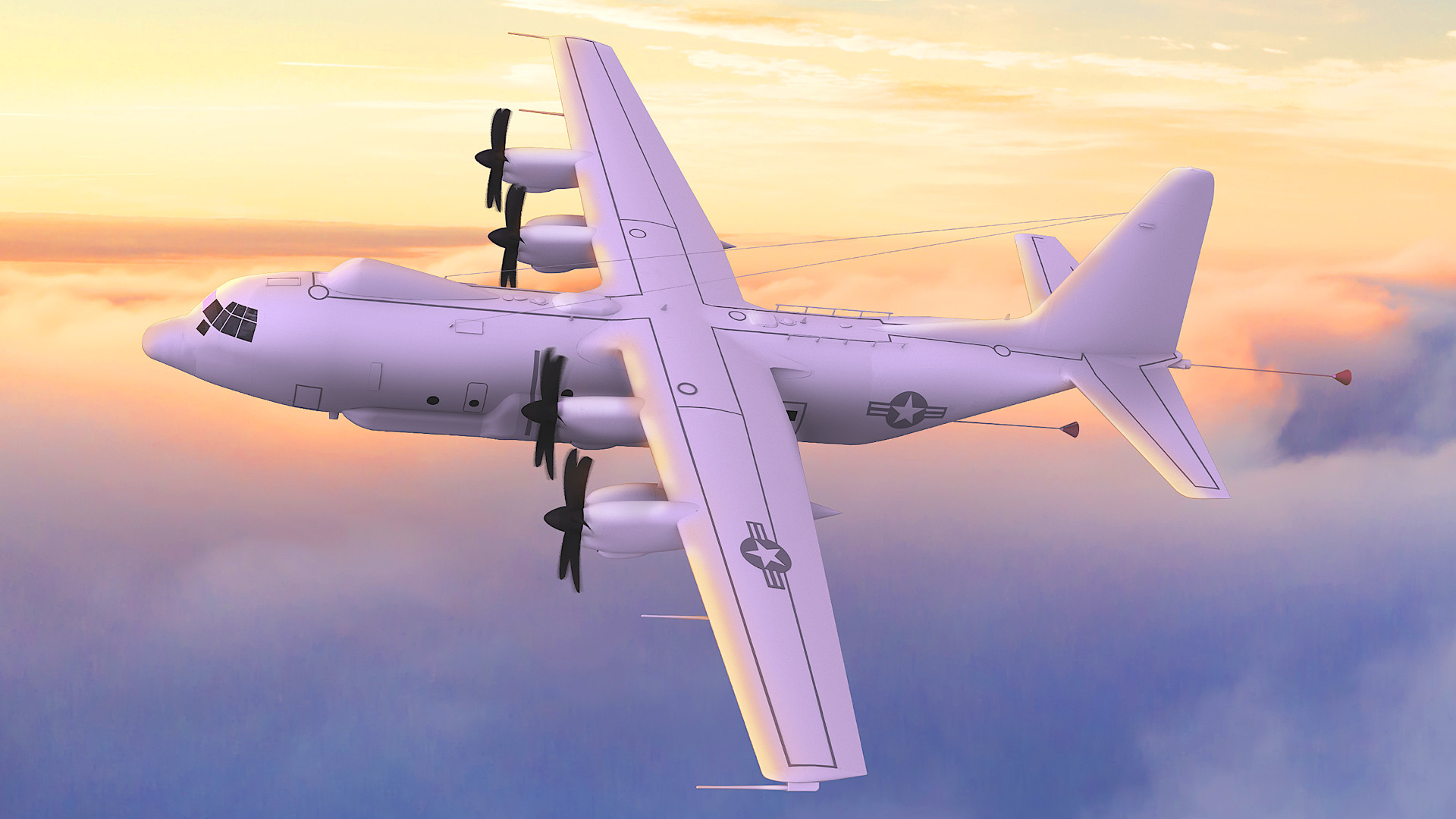
Crashed UPS jet was an MD-11, no longer flown as passenger plane

Similar Posts

  • | |

    Spatial Disorientation-in the pilot, or in the head of the investigator

    Donald Estell attempted to land the 21-year-old, single-engine Piper aircraft in challenging conditions, (on its second approach to St. Louis Downtown Airport in Cahokia) but instead, struck a house. The crash that ended the life of 65-year-old Estell of Clayton, Mo., and Robert Clarkson, 77, of Belleville has been attributed to pilot error by a June 27 report by the NTSB. The crash occurred on Feb 21, 2010, and it happened (according to the NTSB) because of spatial disorientation.

    A pilot who loses his orientation, and whose proprioception (perception of direction) is compromised is described as suffering from spatial disorientation. Most useful for maintaining orientation is an external visual horizon, which helps maintain the sense of “up and down.”

    We know that spatial disorientation is a real condition. It is also one of several “pilot error” causes that officials point to when they can not figure out why an otherwise airworthy (or supposedly airworthy) plane crashes.

    There are cases rightly or wrongly attributed to spatial disorientation, for example, the Ethiopian Airlines Boeing 737 that spiraled into the sea off Beiruit; the May 12 2010 Afriqiyah Airlines Flight 771 crash where the pilot undershot the runway on approach to Tripoli; and the July 28 2010 Airblue Flight 202 which crashed in the Margalla Hills on an ILS approach to the opposite runway 30.* There are events attributed to spatial disorientation when it may or may not be a factor, and may or may not be the only cause. Even when it does occur, it is usually in combination with something else, such as foggy weather which obliterates the horizon, radar failure, cabin pressure loss (the sudden loss of pressure can cause a pilot to lose consciousness.)

    Families who have lost loved ones in airline crashes rely on investigations to determine what systems failed, and what went wrong that caused the crash. It is the solemn duty of investigators (like those in the NTSB) to sort through the wreckage, and analyze the black boxes to determine to the best of their ability what went wrong. The final report is usually the result of a year or several years of intensive study and research. It is usually the more responsible or determined investigators who do not settle for a spatial disorientation cause blaming the pilot, but who look beyond it to find the underlying factor—the radar failure, or system failure, or pressure leak or faulty automatic pilot—that instigated the disorientation.

    *See Comment

    To include the featured image in your Twitter Card, please tap or click their icon a second time.
  • | |

    Additional incidents noted

    • Kim Dotcom Emergency Landing in New Zealand
    • Southern Hillsborough Emergency Landing injures ultralight pilot
    • Two Survive Small Piper Crash on Hudson River
    • NTSB Report of December 20, 2011 Cool Stream Socata Crash in New Jersey

    Video below

    To include the featured image in your Twitter Card, please tap or click their icon a second time.
  • Man who tried to hijack plane at La Crosse airport granted conditional release

    An Idaho man, who tried to hijack a small airplane at the La Crosse airport, will be released soon, after being treated for mental health issues. Cody Anderson apologized Wednesday in court for the November 2023 incident, where he crashed a car through an airport gate and made threats to people on a private plane

    Read More

    To include the featured image in your Twitter Card, please tap or click their icon a second time.